How to Reduce Electricity Bills With Solar Panels in Pakistan (2026)
Rising tariffs have made every homeowner ask the same question in 2026: how do you actually reduce electricity bills with solar panels in Pakistan without wasting money? The short answer is that a correctly sized system, good equipment, and a clean bill audit can cut a typical household bill by 60–90%. This guide walks you through the real numbers, the mistakes people make, and the practical steps that deliver savings from month one.
We install and service rooftop systems across the country, so the advice below comes from field experience, not brochures. Let us show you how to turn a scary monthly bill into a predictable, shrinking expense.
Why Solar Panels Cut Your Electricity Bill So Fast
Grid electricity in Pakistan is expensive during the day, exactly when the sun is strongest. Solar flips that math. Your panels generate power during peak daylight hours, so you buy far less from the grid when it costs the most.
Every unit you generate yourself is a unit you do not pay for. With net metering, surplus energy you export earns credits that offset your night-time usage. The result is a bill that drops fast and keeps dropping as tariffs climb.
According to the International Energy Agency, solar PV is now the cheapest source of new electricity in most of the world, and Pakistan’s high sun exposure makes payback times shorter than in colder regions.
Step One: Audit Your Bill Before You Buy Anything
Never size a system by guesswork. Pull out your last 12 months of bills and note your monthly units (kWh). This single step prevents the most common mistake: buying a system that is too small to matter or too big to justify.
- Find your average monthly units. Add 12 months and divide by 12.
- Note your peak months. Summer AC load usually spikes June to August.
- Check your slab. Higher usage slabs cost more per unit, so cutting them saves the most.
- Identify your biggest loads. AC units, water pumps, and irons dominate most homes.
Once you know your true consumption, sizing becomes simple math instead of a sales pitch. Quality installers start here. If a company skips this step, treat it as a warning sign.
How Much Can You Actually Save? A Real Comparison
The table below shows typical savings for common household system sizes in Pakistan for 2026. Actual figures vary by city, roof angle, and shading, but these ranges reflect what we see in real installations.
| System Size | Roughly Suits Monthly Bill | Daily Units Generated | Typical Bill Reduction |
|---|---|---|---|
| 3 kW | Rs 15,000–25,000 | 12–15 kWh | 60–75% |
| 5 kW | Rs 25,000–45,000 | 20–26 kWh | 70–85% |
| 10 kW | Rs 50,000–90,000 | 40–52 kWh | 80–90% |
Notice how larger homes with net metering push savings past 85%. The system essentially pays for itself over 3–5 years, then delivers close to free electricity for the remaining 20+ year panel lifespan.
Choosing Equipment That Protects Your Savings
Cheap panels and undersized inverters destroy long-term savings through poor output and early failure. Spend where it matters. When you shop for solar panels in Pakistan, prioritise proven brands, a strong performance warranty, and a good inverter matched to your load.
What to look for
- Tier-1 panels with a 25-year performance warranty.
- A hybrid or on-grid inverter sized correctly for your array.
- Proper mounting that survives wind, monsoon, and heat.
- Net metering compliance so your export credits are approved.
Good installation is just as important as good hardware. Loose connections, wrong tilt angles, and dirty panels quietly bleed away the savings you paid for. Working with reliable local experts keeps your system performing at its rated output for decades.
Simple Habits That Boost Solar Savings
Hardware does the heavy lifting, but your habits fine-tune the result. Shift heavy loads into daylight hours to use your own free power instead of the grid.
- Run the washing machine and iron at midday.
- Pre-cool rooms with AC while the sun is strong.
- Charge devices, pumps, and batteries during peak generation.
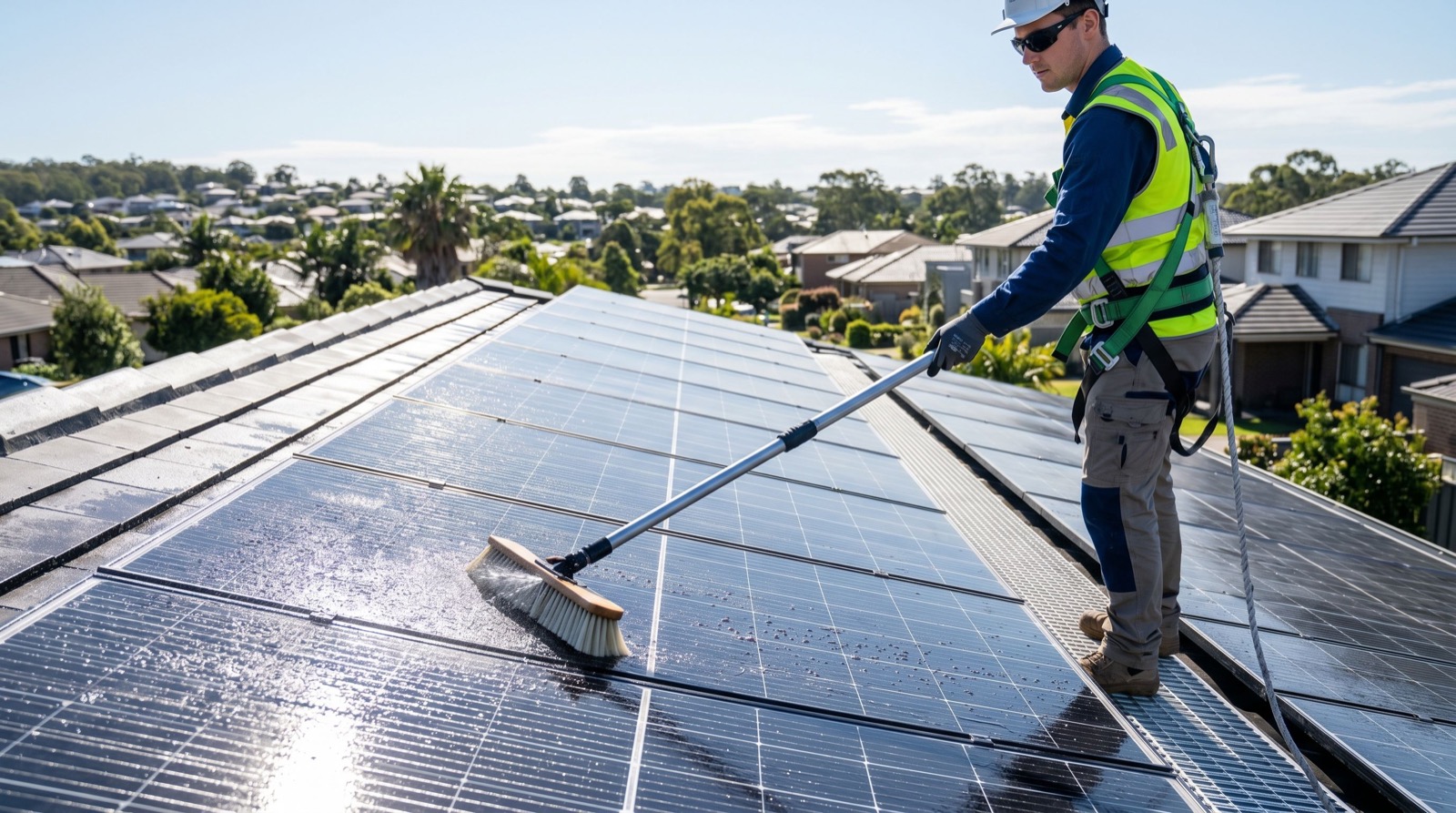
- Clean panels every few weeks during dusty months.
These small shifts routinely add another 5–10% to monthly savings at zero extra cost.
Net Metering: The Feature That Doubles Your Savings
Net metering is the single most powerful tool for cutting your electricity bill in Pakistan, yet many buyers underestimate it. In simple terms, it lets you sell your surplus daytime power back to the grid in exchange for credits you can use at night.
Here is why it matters so much. During the day your panels often produce more than your home consumes, especially when everyone is at work or school. Without net metering, that surplus is wasted. With it, every extra unit becomes a credit that offsets your evening and night-time usage.
The financial effect is dramatic. A home that would save 60% without net metering can push savings past 85% once export credits are applied. That difference alone can shave a year or more off your payback period.
How to make the most of net metering
- Size your system slightly generous so you consistently produce surplus during peak sun.
- Keep your meter and paperwork compliant so credits are approved without delay.
- Track your export and import units each month to confirm you are being credited correctly.
- Ask your installer to handle the application so the technical documentation is done right the first time.
Because tariffs keep climbing, the value of each exported unit grows over time. In practice, net metering turns your roof into a small, appreciating asset rather than a one-off purchase.
Common Mistakes That Waste Your Solar Savings
Even a good system underperforms when buyers cut corners. Over years of installations we see the same avoidable errors drain savings that should have been locked in.
- Undersizing the system to save money upfront, then barely denting the bill.
- Choosing the cheapest inverter, which clips output and fails early.
- Skipping net metering and wasting valuable surplus energy.
- Ignoring shading from trees, water tanks, or nearby buildings.
- Neglecting cleaning, letting dust quietly reduce generation.
Avoid these and your savings stay exactly where they belong: in your pocket. Every one of them is preventable with a proper site survey and honest advice before installation.
Frequently Asked Questions
How much can solar panels reduce my electricity bill in Pakistan?
A properly sized system with net metering typically reduces a household bill by 60–90%. Larger systems on high-usage homes reach the upper end, often cutting bills by more than 85% while the grid tariff keeps rising.
What size solar system do I need for my home?
Base it on your average monthly units, not your roof size. As a rough guide, a 5 kW system suits a bill of Rs 25,000–45,000. Always audit 12 months of bills first so the system matches your real consumption.
Do solar panels work during load shedding?
On-grid systems shut off during outages for safety, but a hybrid system with batteries keeps essential loads running. If uninterrupted power matters to you, choose a hybrid inverter with battery backup.
How long until solar pays for itself?
Most Pakistani households reach payback in 3–5 years thanks to high sunlight and rising tariffs. After that, your panels deliver near-free electricity for the remaining 20 or more years of their lifespan.
Conclusion
Reducing your electricity bill with solar panels in Pakistan is not complicated when you follow a clear path: audit your bill, size the system correctly, buy quality equipment, and adopt daylight usage habits. Do this and a 60–90% bill cut is realistic in 2026.
Ready to stop overpaying the grid? Partner with the best solar company in Pakistan for a proper bill audit, honest sizing, and an installation built to protect your savings for decades.