
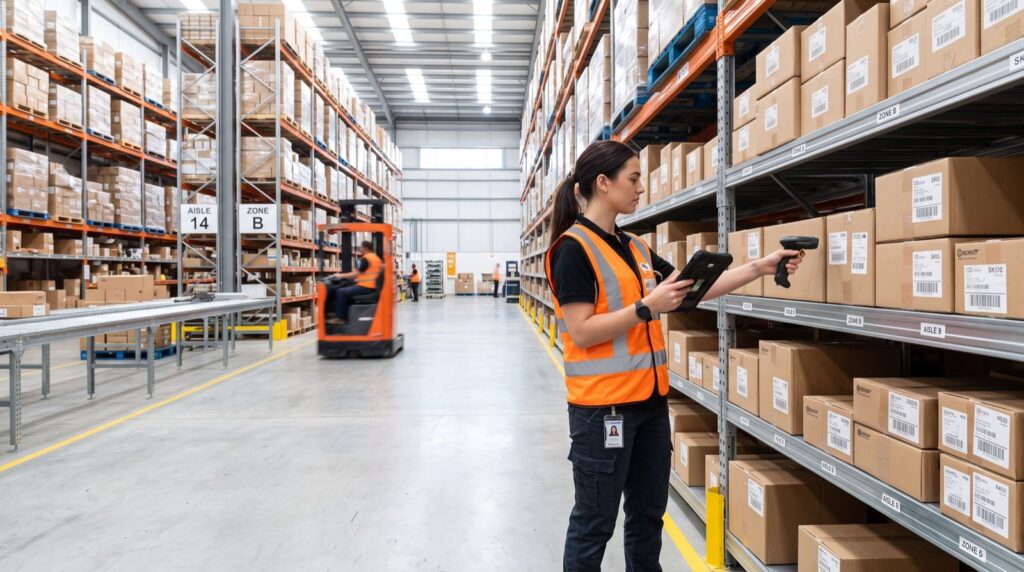
Few decisions shape a Saudi business as quietly, and as decisively, as where and how it keeps its temperature-sensitive stock. A batch of vaccines, a pallet of imported seafood, a season’s worth of dates waiting for the right price, or the catering inventory for a national-day exhibition all live or die on the reliability of the cold chain behind them. When that chain holds, nobody notices. When it slips by even a couple of degrees, the losses arrive fast and rarely come back.
This article looks at commercial cold storage and warehousing across the Kingdom from a practical angle: how the different temperature bands actually get used, what separates a dependable facility from a risky one, and how growing companies decide when to stop juggling their own freezers and hand the job to specialists. The goal is not to sell a warehouse but to help you ask sharper questions before you commit your product to someone else’s building.
The Four Temperature Bands and Why They Matter
Commercial storage in Saudi Arabia generally splits into four working climates, and understanding them is the first step to choosing correctly. Ambient storage sits at ordinary room conditions and suits dry goods, packaged non-perishables, and hardware. Chilled storage typically runs from roughly zero to eight degrees Celsius, holding fresh produce, dairy, and pharmaceuticals. Frozen storage plunges well below freezing, usually minus eighteen or colder, locking meat, seafood, and ready meals in stasis. Between these sits a controlled-ambient tier for items that hate heat but must never freeze.
The mistake many first-time importers make is treating these bands as interchangeable slots. They are not. A product held one band too warm ages faster; one band too cold can crack, separate, or lose texture. Matching cargo to the correct climate is the whole point of professional warehousing, and reputable operators will refuse product that does not belong in the space you booked.
Frozen Storage: The Unforgiving End of the Chain
Frozen operations demand the most discipline because the margin for error is smallest. A freezer that drifts during a long summer power event can partially thaw and refreeze an entire chamber, and the damage is often invisible until a customer complains. That is why serious operators offering Frozen Storage in Saudi Arabia build in redundant refrigeration, backup generators, and continuous temperature logging rather than spot checks.
For businesses handling seafood, poultry, or imported frozen ingredients, the questions to ask are specific. How quickly does the facility recover temperature after a door opening? Are blast-freezing and long-term holding kept in separate rooms so warm incoming pallets never raise the ambient of settled stock? Can they produce a temperature history for any pallet on demand? A frozen warehouse that cannot answer these clearly is one to keep shopping past.
Chilled and Ambient: The Everyday Workhorses
Most day-to-day commerce actually moves through the chilled and ambient tiers rather than deep-freeze. Chilled space keeps a supermarket’s fresh section stocked and a pharmacy’s temperature-sensitive medicines within compliance. Ambient space, meanwhile, handles the enormous volume of packaged and shelf-stable goods that still need protection from Saudi heat, dust, and humidity.
The under-appreciated risk in these tiers is variability. A chilled room that swings a few degrees through the day will not spoil food outright, but it steadily shortens shelf life, and that quiet erosion shows up as increased waste at the retail end. Consistency, not just cold, is what you are paying for.
Storage for Events, Exhibitions, and Seasonal Peaks
Not every storage need is permanent. Trade shows, hospitality launches, Ramadan catering, and national celebrations create sharp, short bursts of demand for space that vanishes again weeks later. Renting a full warehouse for a two-week surge makes no sense, which is why flexible Storage for Event & Exhibition has become such a valuable option for caterers, agencies, and organizers.
Event storage carries its own quirks. Deliveries often arrive in a compressed window, everything must be retrievable in a specific sequence, and the goods can range from chilled catering trays to dry display materials in the same booking. The operators who handle events well are those who treat logistics as part of the service, coordinating inbound timing and staging pallets so the venue crew is never waiting on stock.
How to Judge a Facility Before You Commit
Choosing a warehouse is really an exercise in judging reliability you cannot see. A clean loading bay and a friendly quote tell you little about what happens at three in the morning during a heatwave. The signals that actually matter are documentation, monitoring, and honesty about limits.
- Continuous, logged temperature monitoring with alarms rather than periodic manual readings.
- Backup power that has been tested under load, not just installed and forgotten.
- Clear separation between temperature zones so cargo is never parked in the wrong climate.
- Documented food-safety and hygiene practices, including pest control and cleaning schedules.
- Transparent inventory systems that let you see stock levels and movement without phoning for updates.
Working with genuinely quality service providers means these things are offered before you ask, because a professional operator already knows they are the questions that separate a safe partner from a gamble.
The Cost of Getting It Wrong
It is worth being blunt about consequences. A single failed frozen chamber can wipe out a value of stock that dwarfs a year of storage fees. Beyond the direct loss sits the reputational damage of shipping a compromised product, the regulatory exposure if pharmaceuticals or food fall out of compliance, and the scramble to replace inventory at short notice. Cheap storage that cuts corners is rarely cheap once one of these events lands.
Set against that, the premium for a well-run facility is modest insurance. The right operator absorbs the risk you cannot manage yourself: the generators, the redundant compressors, the trained staff, and the monitoring that runs whether or not anyone is watching.
When to Outsource Your Cold Chain
Many businesses start by managing their own refrigeration and outgrow it without noticing. The tipping point usually arrives when maintenance, energy costs, and the risk of a single-point failure begin to distract the company from what it actually sells. At that stage, third-party storage stops being an expense and becomes a way to convert fixed cost and operational risk into a predictable service.
Outsourcing also buys scalability. Instead of building for peak demand and paying to cool empty space in quiet months, you rent the capacity you need when you need it. For importers, distributors, and seasonal operators in particular, that flexibility often matters more than the raw price per pallet.
Key Takeaways
- Match each product to the correct temperature band; warm-drift and over-freezing both cause quiet, costly damage.
- Frozen storage demands redundancy, zone separation, and traceable temperature history above all else.
- Chilled and ambient tiers carry most volume, where consistency matters as much as raw cold.
- Flexible event and seasonal storage saves you from renting permanent space for temporary surges.
- Judge facilities on monitoring, backup power, and transparency, not on a tidy loading bay.
Choosing a Partner for the Long Term
Cold storage is one of those services where the cheapest option and the best option are almost never the same. The value lies in what you never see: the alarm that triggered at midnight, the generator that kicked in, the pallet that stayed exactly where it should on the temperature graph. As Saudi commerce keeps growing and supply chains stretch further, the businesses that protect their margins will be the ones that treat storage as a strategic partnership rather than a commodity. Ask hard questions early, favor operators who volunteer their answers, and you will build a cold chain that holds when it matters most.